Source Truck Servo Clutch Booster for Heavy Duty Trucks, Auto Transmission, and Repair
Find and compare 30 Truck Servo Clutch Booster options for heavy duty trucks, auto transmission parts, and repair applications. Evaluate specifications such as 24V voltage, steel body material, and various OE numbers to select the right component for your sourcing needs.
Key considerations
Products List
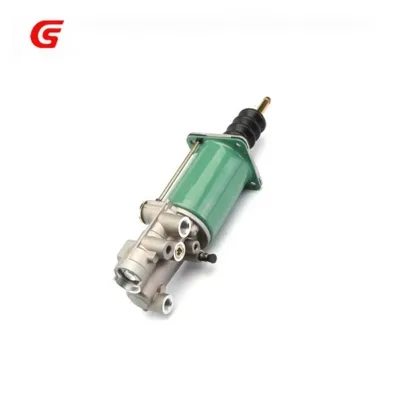
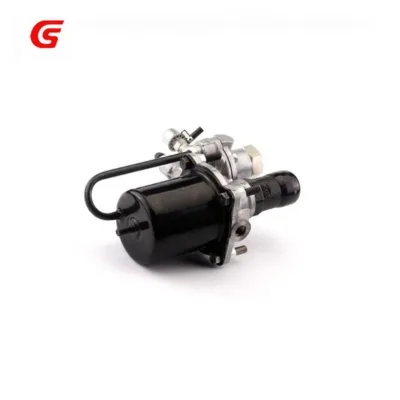
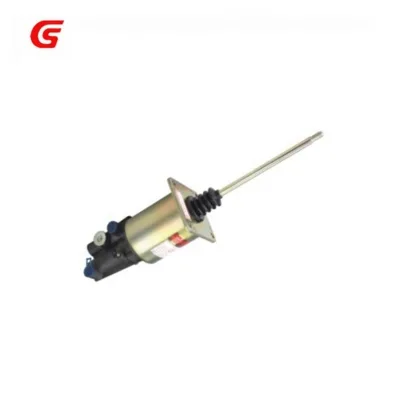


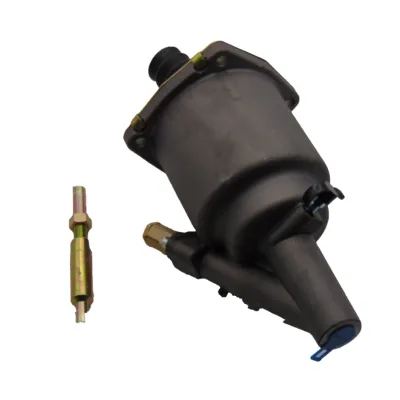


Truck Brake Parts Clutch Servo Wg9725230041 Wg9725230041-2 Clutch Booster for Sinotruk
$15.00 - $25.00
MOQ: 10 Pieces

Truck Brake Parts Clutch Servo 622508am 626784am 1330770 Clutch Booster for Da-F
$10.00 - $20.00
MOQ: 10 Pieces

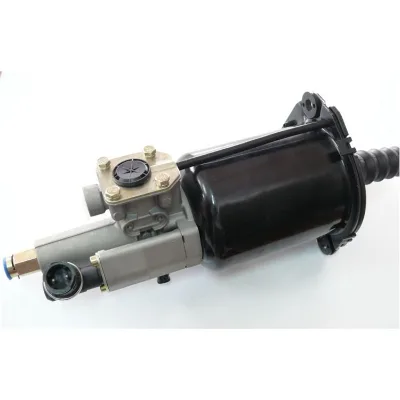
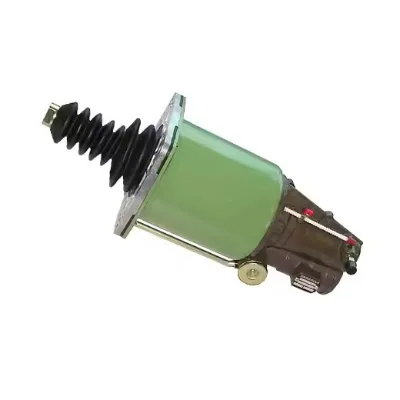


Factory Direct Sale Trucks Clutch Booster 1608010-T0501 Clutch Booster Assy
$5.20 - $8.90
MOQ: 1 Pieces
Comprehensive Sourcing Guide
Truck Servo Clutch Booster Sourcing Guide
Procuring a Truck Servo Clutch Booster requires a disciplined approach to matching component specifications with heavy-duty vehicle requirements, particularly for applications involving semi-linkage systems. The market offers a range of units designed for replacement and repair, with observed listings indicating a focus on original and copy quality variants that must be carefully distinguished based on the buyer's operational needs. Buyers should prioritize verifying the specific model numbers, such as 1747895 or the 970051 series, to ensure compatibility with existing transmission and brake systems before initiating any purchase order.
Commercial terms for these components vary significantly, with observed minimum order quantities ranging from a single set to twenty units, allowing flexibility for both immediate repairs and bulk fleet maintenance. The pricing landscape reflects this variability, with observed ranges spanning from approximately 5.2 to 100.64 USD, influenced heavily by the specific model, packaging type, and whether the unit is an original or copy part. Understanding these commercial signals is essential for budgeting, as the cost difference between a standard carton-packaged unit and one requiring specialized wooden packaging can impact the total landed cost for international shipments.
Product Scope and Observed Listing Signals
The product scope for truck servo clutch boosters encompasses a variety of configurations, including dry-type multidisc electromagnetic clutches and mechanical servo units designed for heavy-duty trucks. Listings frequently highlight specific attributes such as a 24V working voltage and a stroke of 60mm, which are critical for ensuring the component integrates correctly with the vehicle's electrical and hydraulic systems. Buyers must scrutinize the "Purpose" field, which often specifies "for replace/repair," to confirm that the item is intended as a direct replacement rather than a modification or upgrade, thereby avoiding compatibility issues during installation.
Observed listing signals also reveal a diversity in packaging and origin, with products originating from regions like Jinan, Shaanxi, and Henan in China, each potentially offering different logistical advantages. The packaging methods range from standard cartons and neutral packing to pallets and wooden packaging, which directly affects shipping costs and the risk of damage during transit. Additionally, the presence of specific OE numbers like 9700511930 or 622107AM serves as a primary identifier for buyers to cross-reference with their vehicle's service manuals, ensuring that the selected booster matches the exact chassis and transmission requirements of their fleet.
Technical Specifications to Verify
Technical verification begins with confirming the physical dimensions and material composition, as observed listings specify body materials such as steel and dimensions like a diameter of 102mm or 75mm. These physical attributes are non-negotiable for ensuring the booster fits within the confined spaces of a truck's chassis and operates under the necessary mechanical loads. Buyers should also verify the discharge standard, which may be listed as Euro V, to ensure the component meets the environmental and performance expectations of the target market, particularly if the vehicle is intended for export or operation in regions with strict emission regulations.
Electrical and functional specifications are equally critical, with a strong emphasis on the 24V voltage requirement and the semi-linkage working state that defines the clutch engagement behavior. The product model numbers, such as 9700511580 or 622107AM, often encode specific performance characteristics that must align with the vehicle's transmission noise profile and engine noise sources. Procurement teams must ensure that the listed "Condition" is explicitly "New" and that the "Selling Units" are defined as single items to avoid receiving mixed batches or used components that could compromise the reliability of the heavy-duty truck's braking and transmission systems.
Compliance and Safety Documentation
Compliance documentation for truck servo clutch boosters often includes certifications such as ISO/TS16949, which is specifically noted for electromagnetic clutch applications, and ISOCE standards that may apply to broader component safety. These certifications are vital indicators of a manufacturer's adherence to quality management systems and safety protocols, providing assurance that the product has undergone rigorous testing for durability and performance under heavy-duty conditions. Buyers should request copies of these certificates to verify that the specific batch of components being purchased meets the required industry standards for automotive and truck parts.
Safety documentation must also address the specific noise and emission characteristics of the component, as listings sometimes reference "Transmission Noise" or "Aerodynamic Noise" as factors related to the engine or exhaust tail pipe. While the clutch booster itself is a mechanical and electrical component, its integration can influence the overall acoustic profile of the vehicle, making it necessary to verify that the product does not introduce excessive noise that could violate local regulations. Ensuring that the component's discharge standard aligns with Euro V or other relevant environmental norms is a key step in maintaining fleet compliance and avoiding potential fines or operational restrictions.
Cost Drivers and Commercial Terms
The cost of a Truck Servo Clutch Booster is driven by several factors, including the quality tier (original vs. copy), the complexity of the model, and the specific packaging requirements. Original components typically command a higher price point due to the use of superior materials and stricter manufacturing controls, whereas copy versions may offer a lower-cost alternative for non-critical applications or older fleets. Buyers must carefully evaluate the trade-off between initial cost and long-term reliability, as the "High-Quality" designation in some listings suggests a balance between performance and price that may be more suitable for heavy-duty operations than lower-tier alternatives.
Commercial terms such as the minimum order quantity (MOQ) and delivery time significantly influence the total cost of ownership and supply chain efficiency. With observed MOQs ranging from 1 to 20 sets and delivery times as short as 3-7 days, buyers can optimize their inventory levels to match immediate repair needs or plan for bulk procurement to reduce per-unit shipping costs. The availability of samples is another critical commercial factor, allowing buyers to test the component's fit and function before committing to a larger order, thereby mitigating the risk of purchasing incompatible or defective parts.
Supplier Qualification and Quality Control
Supplier qualification for truck servo clutch boosters should focus on verifying the manufacturer's location and their ability to provide consistent quality across different product lines. Listings indicate origins in Henan, Jinan, and Shaanxi, regions known for their manufacturing capabilities, but buyers must confirm that the specific supplier has a track record of meeting the ISO/TS16949 and ISOCE standards cited in the product descriptions. This verification process ensures that the supplier has the necessary infrastructure and quality control measures in place to produce components that meet the rigorous demands of heavy-duty truck applications.
Quality control procedures must be robust, with a clear distinction between original and copy products to prevent the accidental procurement of substandard components. Buyers should implement a verification step that checks the "Product Name" and "OE No." against their internal records to ensure that the received goods match the ordered specifications exactly. Additionally, the "Condition" of the product must be confirmed as "New" upon receipt, and any discrepancies in packaging, such as the difference between carton and wooden packaging, should be investigated to ensure that the components have not been damaged during transit or storage.
Long-Term Procurement Checks
Long-term procurement checks for truck servo clutch boosters involve establishing a continuous monitoring system to ensure that the components continue to meet performance and safety standards over time. This includes regular audits of the supplier's quality control processes and verification that the "Main Market" focus, such as North America, aligns with the buyer's operational requirements and regulatory environment. By maintaining a close relationship with the supplier and regularly reviewing product specifications, buyers can ensure that their fleet remains equipped with reliable and compliant components that minimize downtime and maintenance costs.
It is also essential to track the performance of the installed components in real-world conditions, paying attention to any issues related to noise, voltage stability, or mechanical wear. The "Application" field, which often lists "Auto Transmission Parts" and "Truck Brake System," serves as a reminder that the booster is a critical link in the vehicle's overall safety and efficiency. Buyers should establish a feedback loop with their maintenance teams to report any anomalies, ensuring that the procurement strategy evolves in response to actual field performance and that any necessary adjustments to the supplier base or component specifications are made promptly.
FAQs
What is the voltage requirement for this Truck Servo Clutch Booster?
The voltage requirement is 24V for this specific unit. This specification ensures compatibility with heavy-duty truck electrical systems designed for standard 24V operation without requiring additional converters.
Can I get samples of the Truck Servo Clutch Booster before bulk order?
Samples can be offered for evaluation prior to placing a larger order. This allows buyers to verify the quality and fitment of the new clutch cover before committing to a full shipment.
Which certifications does the Truck Servo Clutch Booster hold?
The product holds ISO/TS16949 and ISOCE certifications. These standards confirm that the manufacturing process meets rigorous quality and safety requirements for automotive components used in heavy-duty applications.
How long is the delivery time for the Truck Servo Clutch Booster?
The delivery time is typically 3 to 7 days after order confirmation. This lead time applies to standard orders and ensures relatively quick turnaround for replacement or repair needs in the supply chain.
What is the minimum order quantity for the Truck Servo Clutch Booster?
The minimum order quantity is 1 set for this product. This low MOQ allows buyers to test the product or fulfill small repair needs without being forced into large inventory commitments.
Where is the Truck Servo Clutch Booster manufactured?
The product originates from China, with specific production locations in Jinan and Shaanxi. These regions are known for their manufacturing capabilities in automotive parts and heavy-duty truck components.
What is the condition of the Truck Servo Clutch Booster?
The condition is new for all listed units. This ensures that buyers receive fully functional components ready for immediate installation in auto transmission parts or truck brake systems.